I don’t drink coffee.
Pause for dramatic effect while the audience gasps.
I know, I know. While the rest of you caffeine fiends wake up, pound a double shot, and then stare at the clock all day waiting until a socially acceptable time to go for your next fix, I start every day with a nice cup of tea. So when I was recently traveling through Japan and the opportunity for a “kimono tea ceremony” presented itself, I jumped on it. I love tea, and I love robes. Sounded like my kind of ceremony.
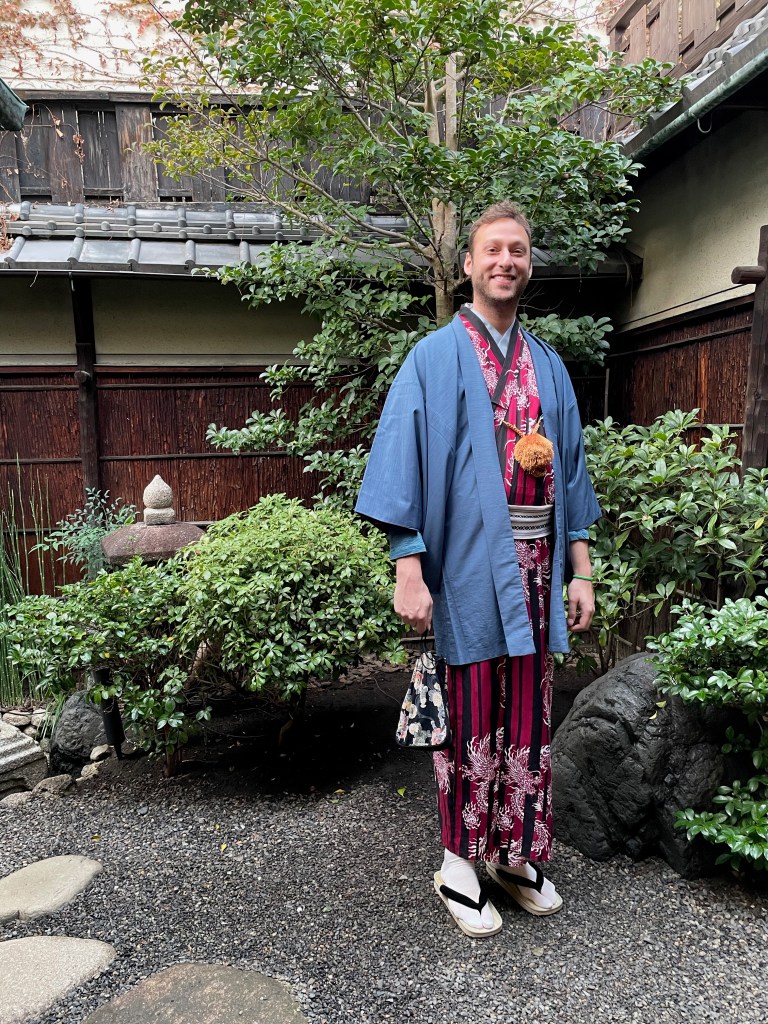
But what I didn’t realize was how much I would learn – not just about the beautiful history of Japanese tea, and the fascinating symbolism behind every aspect of the ceremonies, but also how much of the ritual could be applied to my day job as a product manager.
Intentionality
For the Japanese, tea is not simply a beverage to be consumed with breakfast or dessert. They don’t just throw a kettle on the stove, toss in a tea bag, and go on with the rest of their day. Instead, they treat every part of the process with a sense of intentionality and care, and it shows throughout the experience.
They refer to this intentionality as kizukai – which loosely translates to “attentiveness, concern, and care.” Everything is meticulously planned, from how the flowers are displayed, to where everyone sits, to the specific words they use during each portion of the ceremony. Even the angles at which they bow toward each other, sometimes just slightly and sometimes all the way to the ground. It all matters.
After the ceremony, as I shed my kimono and re-entered the bustling streets of Kyoto, I couldn’t help but think of all the ways that I could benefit from applying some kizukai to my own life. That type of intentionality can help with almost anything – relationships, activities, blogging – but more than anything, it can help with building meaningful and impactful product experiences.
As we progress in our careers, it can become easy to fall into a rhythm and cut corners. Particularly now that we have ChatGPT in our back pocket, at our beck and call to spew generic answers to all our tedious questions.
What should we use for an error message here? Is this helper text clear? Does the font hierarchy make sense on this screen?
Far too often, we chalk it up as “good enough” and move on. But with a little extra time and attention, that experience can quickly transform from a simple cup of tea to a captivating user experience.
Mutual Appreciation Between Host and Guest
Throughout these tea ceremonies, that time and attention is not exclusively the host’s responsibility. Instead, the guest on the receiving end plays an equally important role.
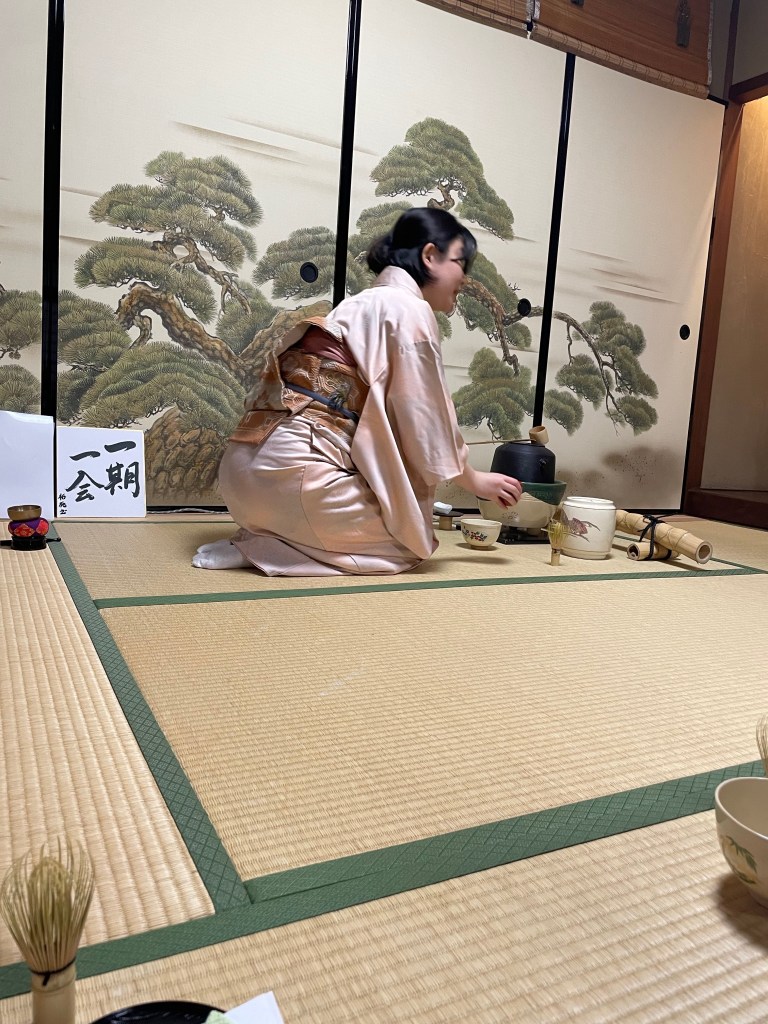
The ceremony starts with everyone taking their place on the ground, guests sitting opposite from the host. In front of each guest is a table setting with an empty cup and assorted sweets, but no one is allowed to touch anything yet. First, both host and guest bow to each other – and not just any bow. Host and guest both bow at roughly 45 degrees, with their hands on the ground and thumbs touching, to show their appreciation, gratitude, and respect for each other.
This type of display is consistent throughout the ceremony. At specific times, guests will rotate their tea bowl twice, showing the beautiful designs on the bowl to their host as a sign of respect. On the other side, hosts will not look at their guests as they eat or drink, and will even dim or shut off the lights entirely – yet another sign of respect.
These demonstrations of appreciation, on both sides, were wonderful reminders for those of us who build software, but rarely see the people using it on the other side. Far too often, we are quick to jump to “user error” as the culprit for bugs or frustration in a product, but this default explanation lacks respect or appreciation for our guests. Just like the tea host, a product manager’s top priority should be an enjoyable experience for the people consuming our products, and we should do everything we can to show how much we value their time and needs.
Five Senses
What was perhaps most striking, however, was how much care the host of our ceremony put into not just the taste of the tea, but the entire experience, continually reminding us that the tea was to be enjoyed with all five senses.
When we lifted the bowl in our hands, we were all instructed to take note of how the warmth made us feel. As we drew it closer to our faces, rather than simply slamming it down, we all took the time to breathe in the aromas. Finally, as we drew our first sips and let the hot tea soothe our throats, surrounded by beautiful art and calming Japanese music, it became clear that even though I enjoyed the tea’s taste, the experience was about so much more than that.
Similarly, when we build products, the experience is always about more than meets the eye. If all we cared about was effectiveness, then shopping would be pretty easy. We would all drive the same car, wear the same clothes, and eat the same foods. But instead, we instinctually include emotional and visceral factors when assessing how a product is designed. How does this make me feel? If I choose to buy or use this product, what does it say about me? When I look back and reflect on the experience, what stands out?

Yes, behavioral design matters – does the thing do what I want it to do? If the tea tasted terribly, I probably would not have enjoyed the overall experience. But emotional and reflective design are equally important parts of the larger puzzle.
Coming Home
So now here I am, back home, thinking about how to put all these lessons into action. About how I can embrace the spirit of kizukai – infusing intentionality, care, and attention to detail into every step of my product development process. About the various ways I can cultivate a mutual appreciation software builders and users, understanding that their needs and experiences are at the heart of our creations. Remembering to engage all five senses while crafting experiences that transcend functionality and leave a lasting, sensory imprint on the users we serve.
As builders of product experiences for so many, I hope we can all put these lessons to good use and let the wisdom of the kimono tea ceremony guide us in transforming “good enough” into truly exceptional. Even if some of us continue to opt for coffee over tea every morning.
 Saft's Sanctuary
Leave a comment