After more than a year of sitting down for 94 interviews across 44 companies – not to mention countless networking calls, conversations, and events – I’ve learned a thing or two about hunting for a job.

That’s not to say I’m an expert in the matter. Not by any stretch of the imagination. To the contrary, those jarring statistics are probably a better indication that interviewing is actually not my best skill. Just ask the 43 companies I met with that kindly told me, “thanks, but no thanks,” or the many others who saw my application and passed on the opportunity to even kick off an interview cycle.
So despite finally landing an incredible job with an amazing company, I know that I am in no way qualified to teach anyone how to structure a resume or nail an interview. Ultimately, it all comes down to finding the right role, with the right team, at the right time, mixed with a whole lot of luck along the way.
But what I can share is how I managed to stay sane through it all. Navigating the stress and turmoil of rejection after rejection can be deflating at its best, and downright demoralizing at its worst, so if my experience can help even one person make it through this journey, it’s worth passing along.
So if you’re struggling through a period of unemployment and feeling like it’s never going to end, wondering if there’s any hope out there for you, I want to share some of my learnings from the last year to shed some light on how to navigate the murky waters.
Control Your Narrative
Remember, your story is yours. Make it a story no one else can tell.
When talking to interviewers, be as specific as possible when describing your background and experience, with a clear focus on the impact you made. Even if you don’t remember the exact numbers, don’t sweat it. Use ballpark figures to clearly demonstrate the value you bring to the table. A hiring manager isn’t going to care if you told them revenue increased by 10% and it actually only increased by 7%. But they will care that decisions you made led to tangible growth.
And when crafting that narrative, always remember your audience. Questions like “tell me about the biggest impact you’ve made” or “what are you most proud of” aren’t actually asking you to stack rank every project you’ve ever led in order of importance. Tailor each of your responses to stories that are most relevant to the job you’re applying for, using examples that are hyper applicable to the potential job and ensuring that everyone walks away from the conversation thinking about how perfect you are for this particular role.
Written and Spoken Blurbs
Part of that narrative is going to be your personal blurb, both written and spoken.
First, lock in the written version. Make it tight, to the point, and easily forwardable. It should very clearly state who you are, what value you bring, and what you’re looking for in your next company and role.
Friends and family are going to want to help, so share the blurb in emails and make it as easy as possible for them to forward it along to anyone they know who might be hiring.

Then, once you land the phone screen, every recruiter and hiring manager is going to kick off the conversation with the same question: “tell me a little about yourself.”
Use this to your advantage! In those early stages, they’re usually staring at the requirements listed in the job description, just waiting to check off the necessary skills and experience. Go through the bullet points listed in the JD one by one, knocking off each item with an example that illustrates your relevant experience. Make it impossible for them to pass.
Don’t Take Anything Personally
But even if you check every box, inevitably, you might still receive the dreaded rejection email. When that time comes, remember, it’s not personal. It’s just personal.
When you’re laying it all out there, unsure of where your next paycheck is coming from or whether you’re going to have health insurance next month, it doesn’t get much more personal than that.
And when you’ve been through five rounds of interviews, and you feel like you’ve absolutely nailed every step along the way, only to receive a templated rejection letter from a no-reply email address with zero feedback, it’s impossible not to feel like you aren’t good enough. Like you’ve done something wrong.
But the truth is, as much as it might feel like a personal attack on you, your skills, or your self worth, you have to remember that much of this process is out of your control.
This job market is ruthless. Most of these jobs have hundreds, often thousands, of applicants within a couple days. As a result, recruiters and hiring managers are able to look for highly specific experience and knowledge, sometimes literally coming down to whether you mention the right word or phrase as part of a response. Control what you can control, and eventually it will unfold as it should.
Find a Support Group
You are not alone, and it’s helpful to have a friend going through the same struggle to commiserate, swap stories, share tips, and generally just be there when you need a reminder that this is hard for everyone.
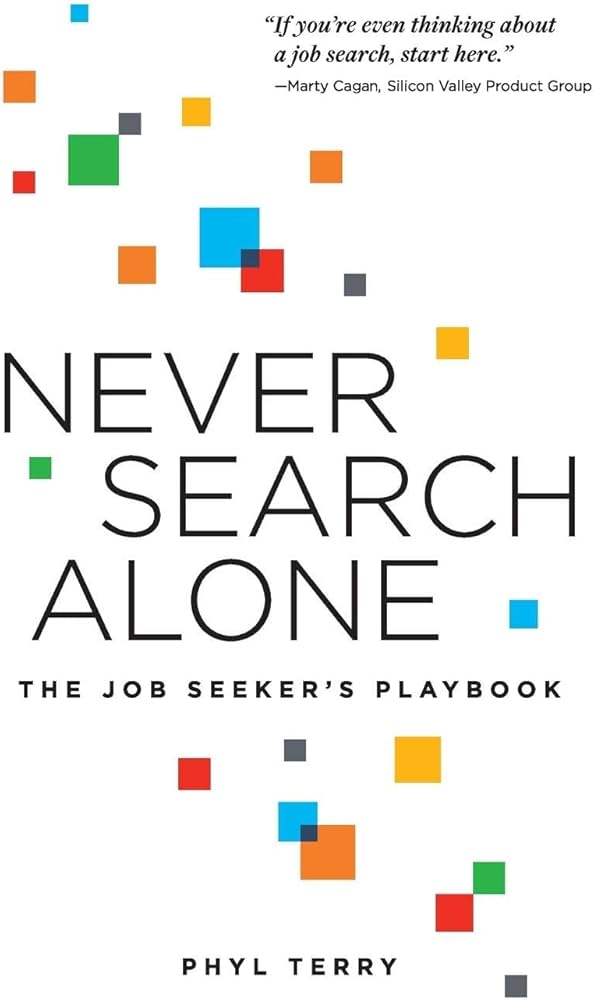
Phyl Terry, author of Never Search Alone, created a community of Job Search Councils for this very reason, and they are a great resource. But even if you don’t want to join a formal council, just finding a buddy or two to commiserate with whenever one of you has a frustrating experience can be incredibly helpful.
Go Back to Basics. Your Job Title Doesn’t Define You
You are so much more than your job. Use the time off to rediscover what makes you happy in this world. Write that novel you’ve been pushing off. Pick up that guitar that’s been collecting dust in the closet. Go on more walks. Spend more time with your family.
And if the financial stress is mounting, then see if you can turn one of those passions into a side hustle. There are endless opportunities for freelance or contract jobs out there across a never ending spectrum of fields. Often, the greatest ideas are born from times of high pressure and necessity. Unemployment just might be the breeding ground you need for your next Great Idea.
You’re Going to be OK. You Have No Other Choice
Ultimately, all of this is just one big effort to be ok. To make it through a rough patch, no matter how long it lasts, and get safely and securely to the other side.
The job hunt sucks, but with the right attitude and a little help from your friends, hopefully it doesn’t have to suck as much. So just remember, you’re going to be ok. What other option do you have?
 Saft's Sanctuary
Leave a comment