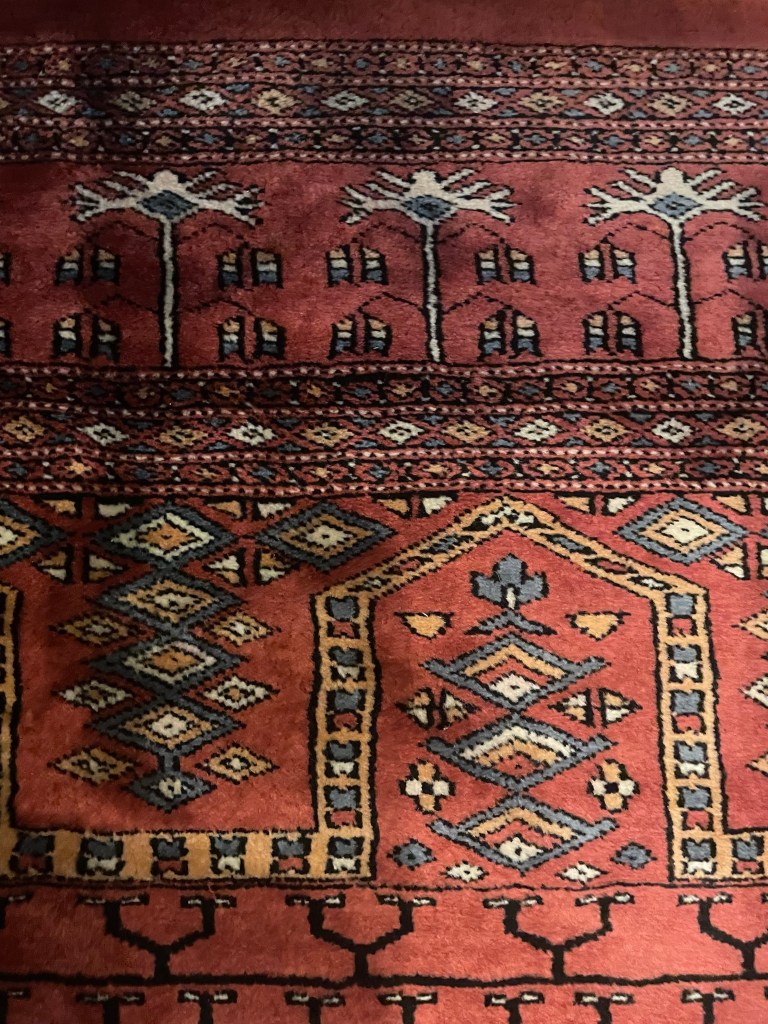
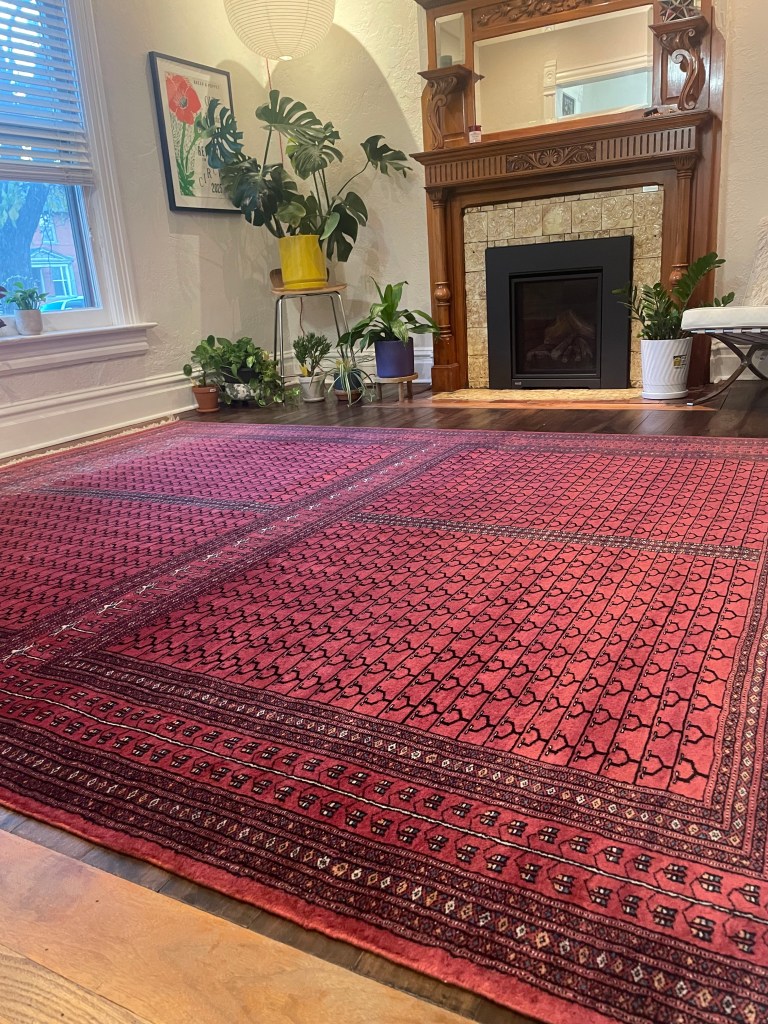
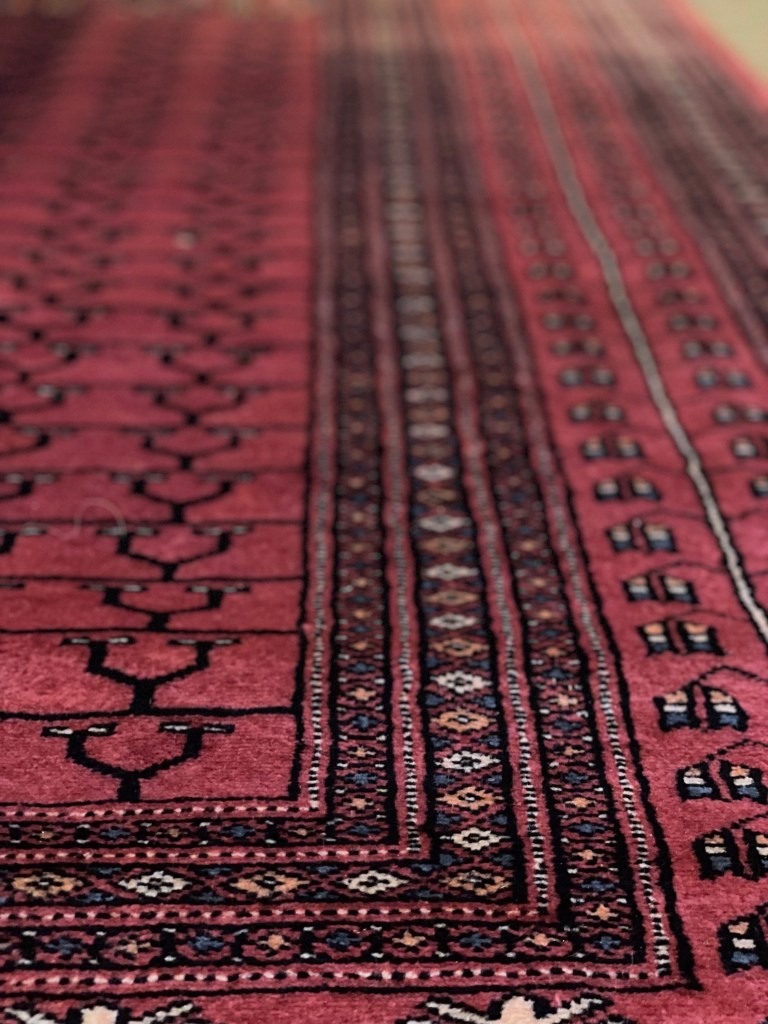
On a recent trip to India, somewhere between the chai breaks, tuk tuk rides, and cow circles, I bought a rug. The rug is spectacularly beautiful – a hand woven, intricately detailed masterpiece that will forever serve as a daily reminder of my Indian adventure. Not of the tea or the cows, but of the incredible craft and care that surrounded me for two weeks.
That rug was just one small example of the artistry that defined my journey through the country. While exploring palaces and shrines, it’s impossible to ignore the thoughtful intention that went into every element. Each doorway is thoughtfully designed, their beauty offering a warm welcome as you enter a new room. Every wall adorned with methodically built engravings, every hallway illuminated with perfectly placed windows or hanging lights, the time and effort shining through each subtle detail.
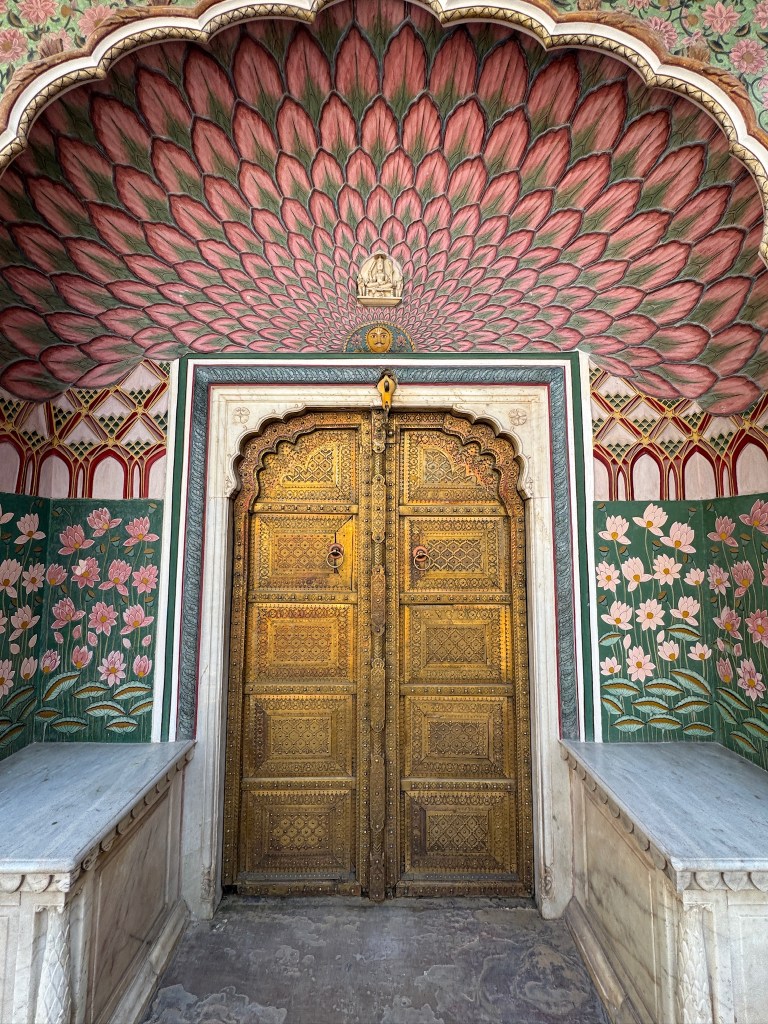
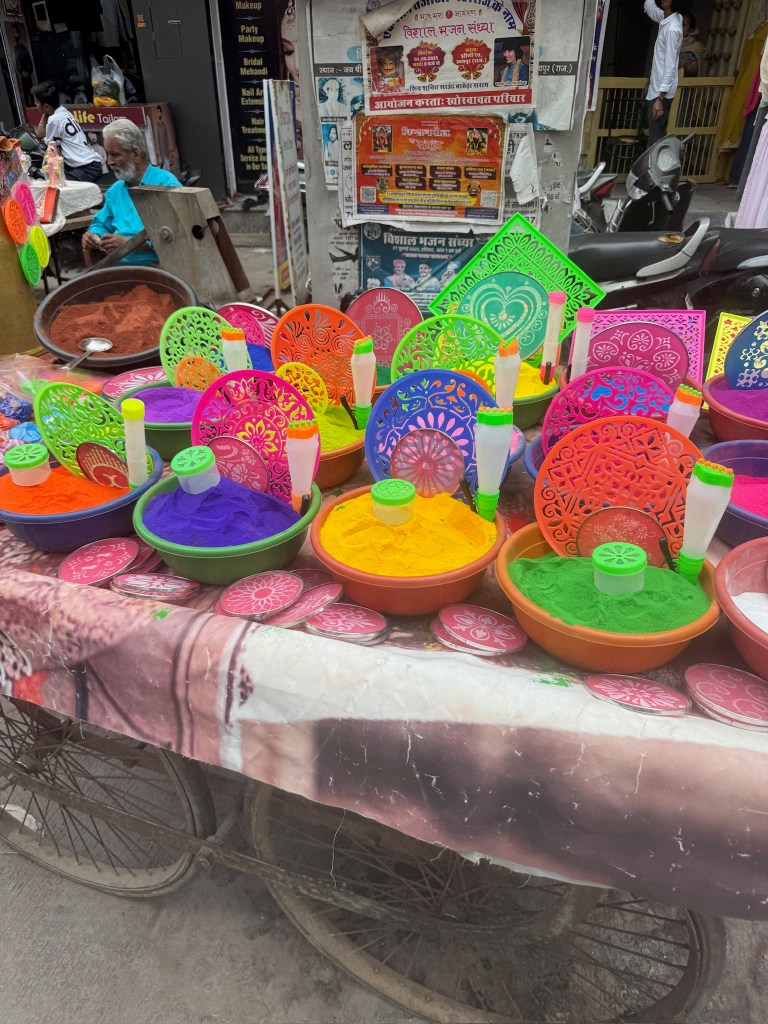
Wandering through the Indian streets, I marveled at the vibrant color putting the community’s culture and personality on full display. Every rug, painting, and light fixture serves a unique purpose, conveying a meaning that goes well beyond its utility. As we made our way through museums, we marveled at the remarkable craftsmanship that went into simple kitchen utensils and working tools, their historical weight still preserved centuries later.


And before long, I couldn’t help but think back to my own craft, to the seismic revolution happening across technology right now, and the high speed train barreling in the opposite direction from the intentional craft I was witnessing in India.
Don’t get me wrong – I’m a massive advocate for using AI in both professional and personal environments. It’s helped me run analysis on user interview data, spin up transformative prototypes, and inspired some of the best cocktail recipes I’ve ever made. It might have even helped me work through some writer’s block challenges in the making of this very blog post.
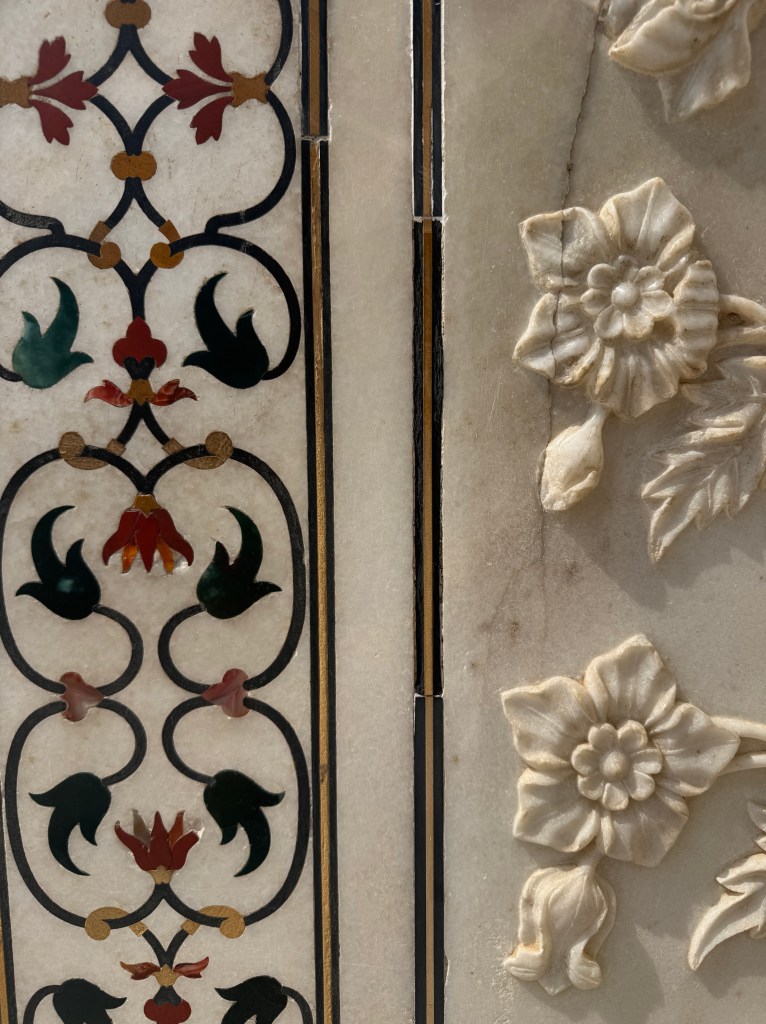
But it will never be able to replicate the hand woven rug I brought home from Jaipur, or the spectacular marble work I encountered in Agra.

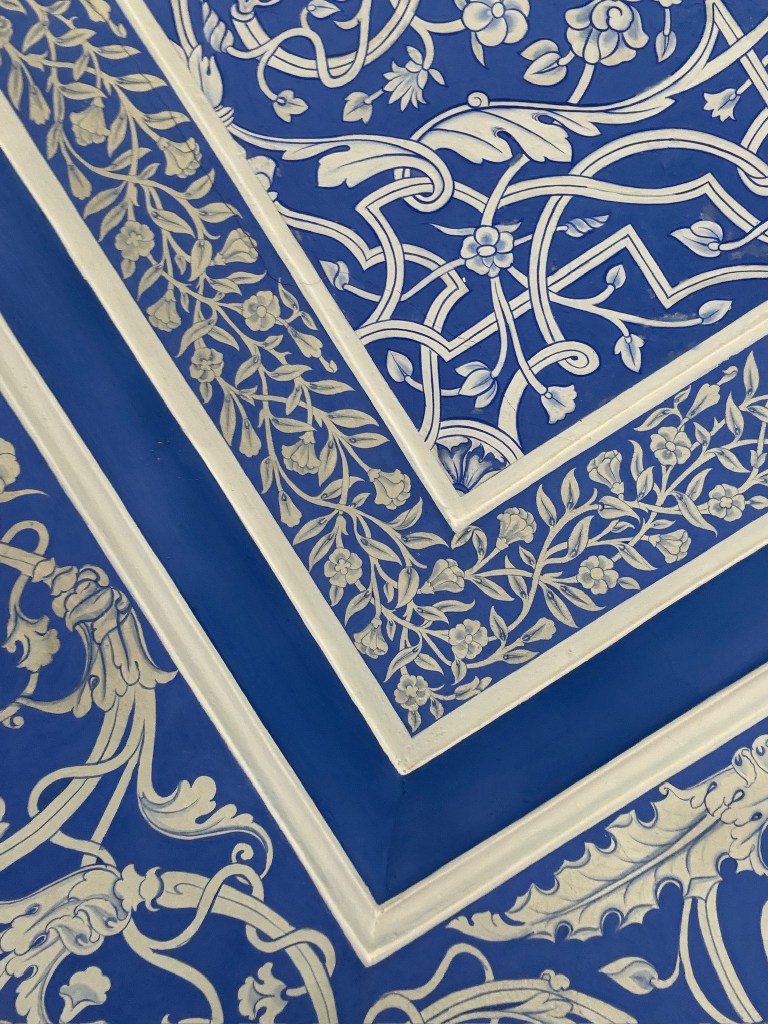
And – on its own – it will never be able to create the type of software that I want to build. The types of products that innovate, inspire, and change people’s lives. That are preserved centuries later.
Of course, this is not a new phenomenon. In the Industrial Revolution, phase one was all about mastering the new technology and increasing efficiency. That’s where we are today in the AI Revolution.
But in the early 1900s, as the whole world raced to the bottom, a few innovators looked up to the top. To the space where beauty and craft reigned supreme.
We passed from the hand to the machine, we enjoyed our era of the triumph of the machine, we acquired wealth, and with wealth education, travel, sophistication, a sense of beauty; and then we began to miss something in our cheap but ugly products. Efficiency was not enough. The machine did not satisfy the soul. And thus it came about that beauty, or what one conceived as beauty, became a factor in the production and marketing of goods.
– The Atlantic author Earnest Elmo Calkins in his article Beauty the New Business Tool from August, 1927
The AI models we are building on top of are all using the same foundations, drawing from the same pool of ideas. This might sound like a recipe for homogeneity, but with the right perspective, it’s not only possible, but imperative, that we turn it into a breeding ground for the next wave of creativity.
Because the most creative people in history have consistently embraced this notion with open arms.
Perhaps most famously, Pablo Picasso is credited with the bold claim that “good artists copy, but great artists steal.”
Steve Jobs expanded on the same idea, saying, “It comes down to trying to expose yourself to the best things that humans have done, and then try to bring those things into what you’re doing.” And with new, AI-powered tools at our disposal, we have unlocked the ability to expose ourselves to the best things that humans have done at a rate Jobs could have only dreamed about.
But what we can’t do is simply take what the robots give us. We can’t accept the output as good enough, appreciate the time savings, check another item off the to-do list and move on. It’s on us, as creatives, to add our layer of taste, craft, and creativity. To add our own personal flavor on top of the ChatGPTs, Lovables, and Midjourneys of the world.
“All the work we ever do is a collaboration. It’s a collaboration with the art that’s come before you and the art that will come after. It’s also a collaboration with the world you’re living in. With the experiences you’ve had. With the tools you use. With the audience. And with who you are today.”
– Rick Rubin, The Creative Act
Because with that additional layer, we’ll be able to differentiate one product from the next. We’ll continue innovating and learning from each other. And maybe one day, we’ll be able to build something as impressive as my new rug.
 Saft's Sanctuary
Leave a comment